Education is often described as preparation for the future. Environmental work is often described as protection of the future. Treating the two as unrelated misses an important point: the quality of tomorrow depends both on what people know and what they choose to do.
Awareness is useful. Participation is stronger.
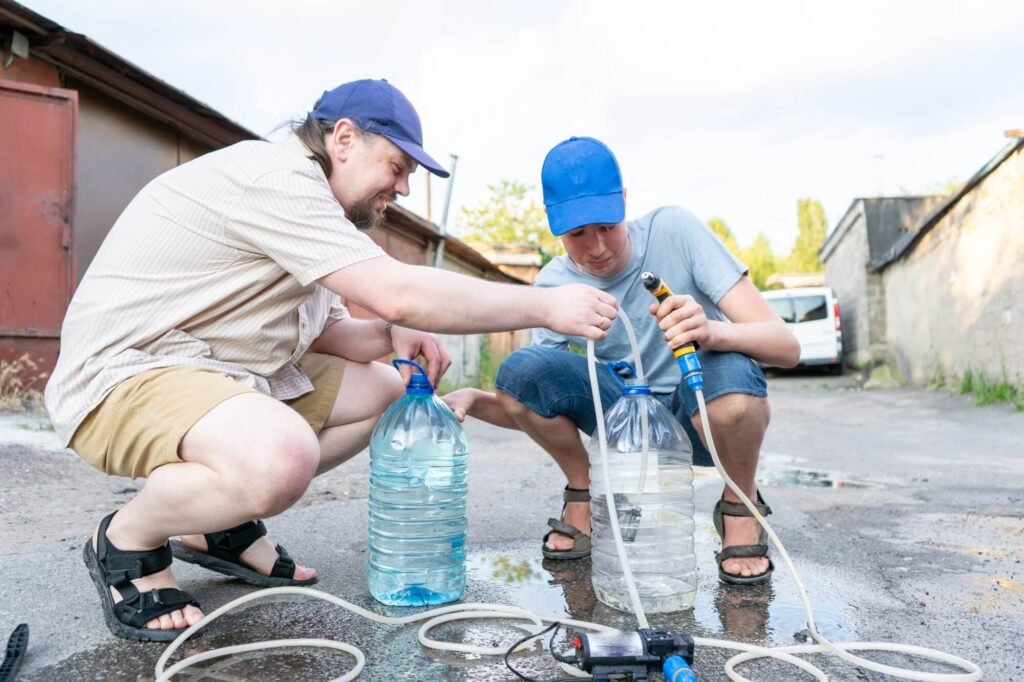
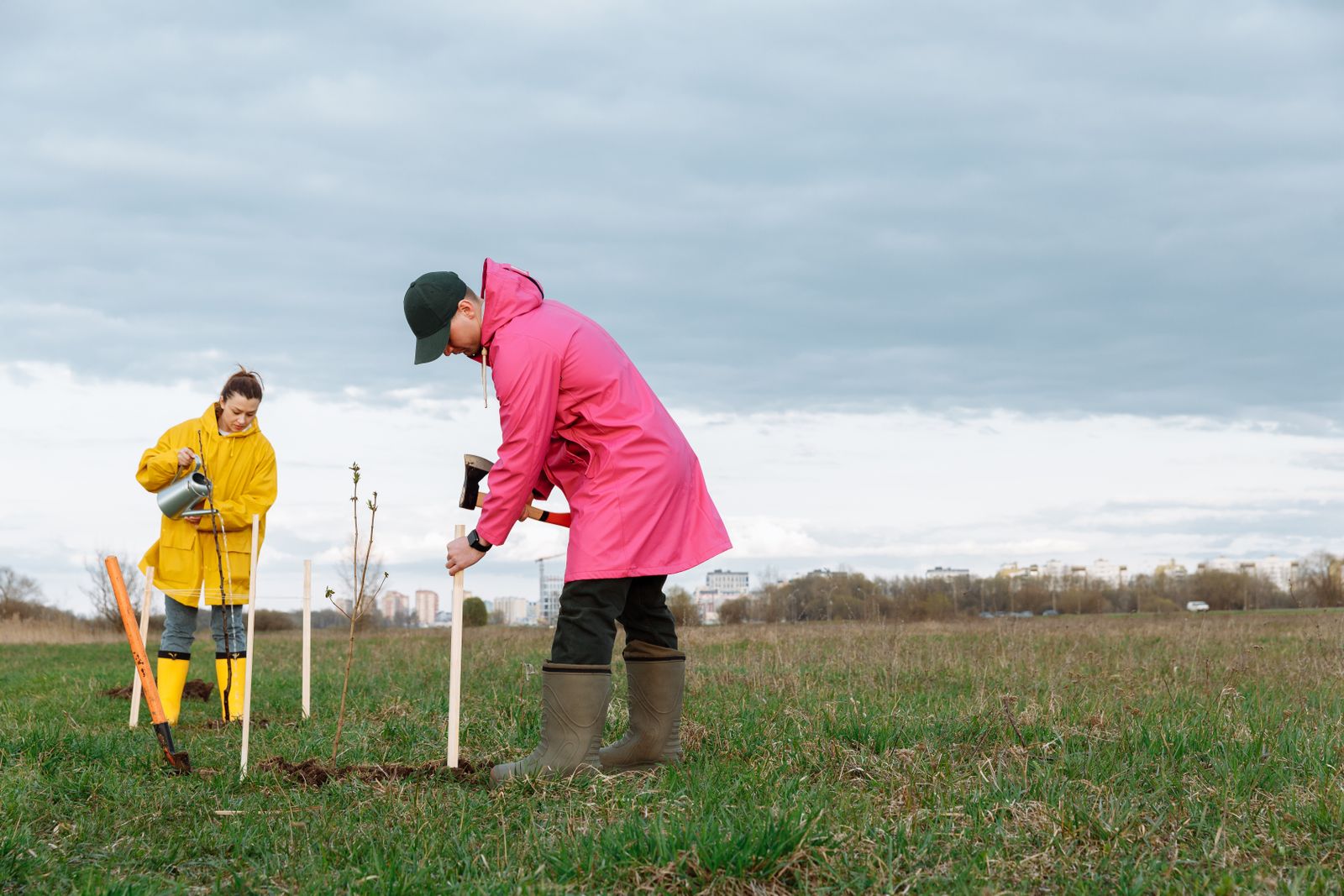
Students can learn about sustainability in a classroom, but participation makes the idea tangible. Community clean-ups, tree-planting, waste reduction, water awareness and local environmental projects create visible connections between choices and consequences.
Action also creates a different kind of learning: coordination, responsibility, observation and teamwork.
Sustainability should not be reduced to one event.
One awareness day can start a conversation, but continuity matters. The stronger model is to connect events with habits, institutional practices, measurable follow-up and community ownership.
Young people are not only future stakeholders.
Students are already consumers, community members, family influencers and future professionals. Their environmental choices have value now, not only after they enter the workforce.