Every published impact story should answer six questions.
01
Who?
Participant or community context, with consent and appropriate privacy.
02
Barrier?
What made the opportunity difficult to reach before the intervention?
03
Action?
What did Elite E² or the partner actually do?
04
Change?
What can be shown to be different afterward?
Student story format
From uncertainty to a clearer pathway.
Document the student’s starting point, program experience, capability gained and concrete next step—without promising that one program caused every later success.
Starting context and goal
Program or support received
Participant reflection, with consent
Verified next step or outcome
Evidence-first
Real people. Real context. No stock testimonials.
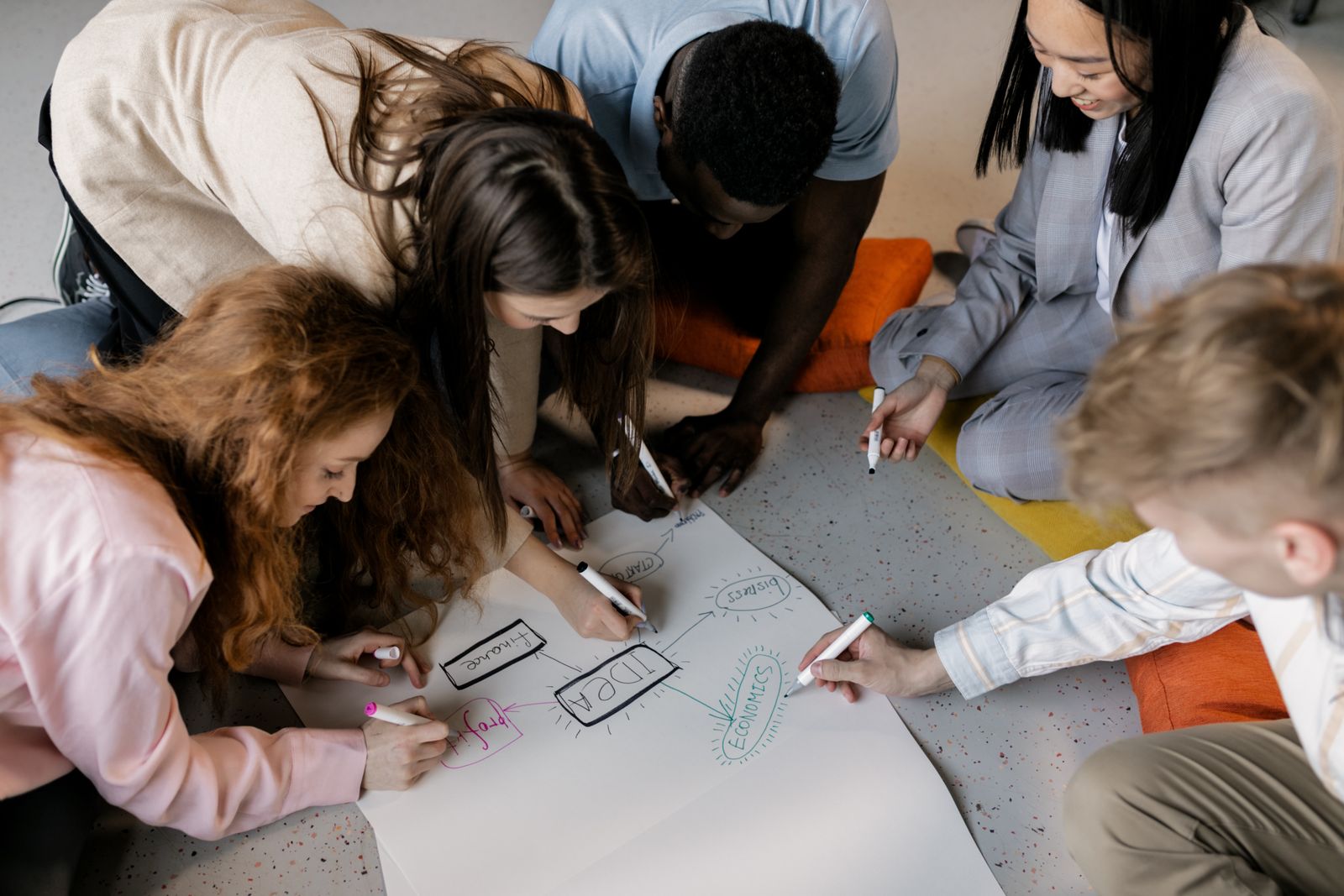
Community story format
Show participation, not just a handover.
Explain the local need, who participated, what happened and what continuity exists after the event.
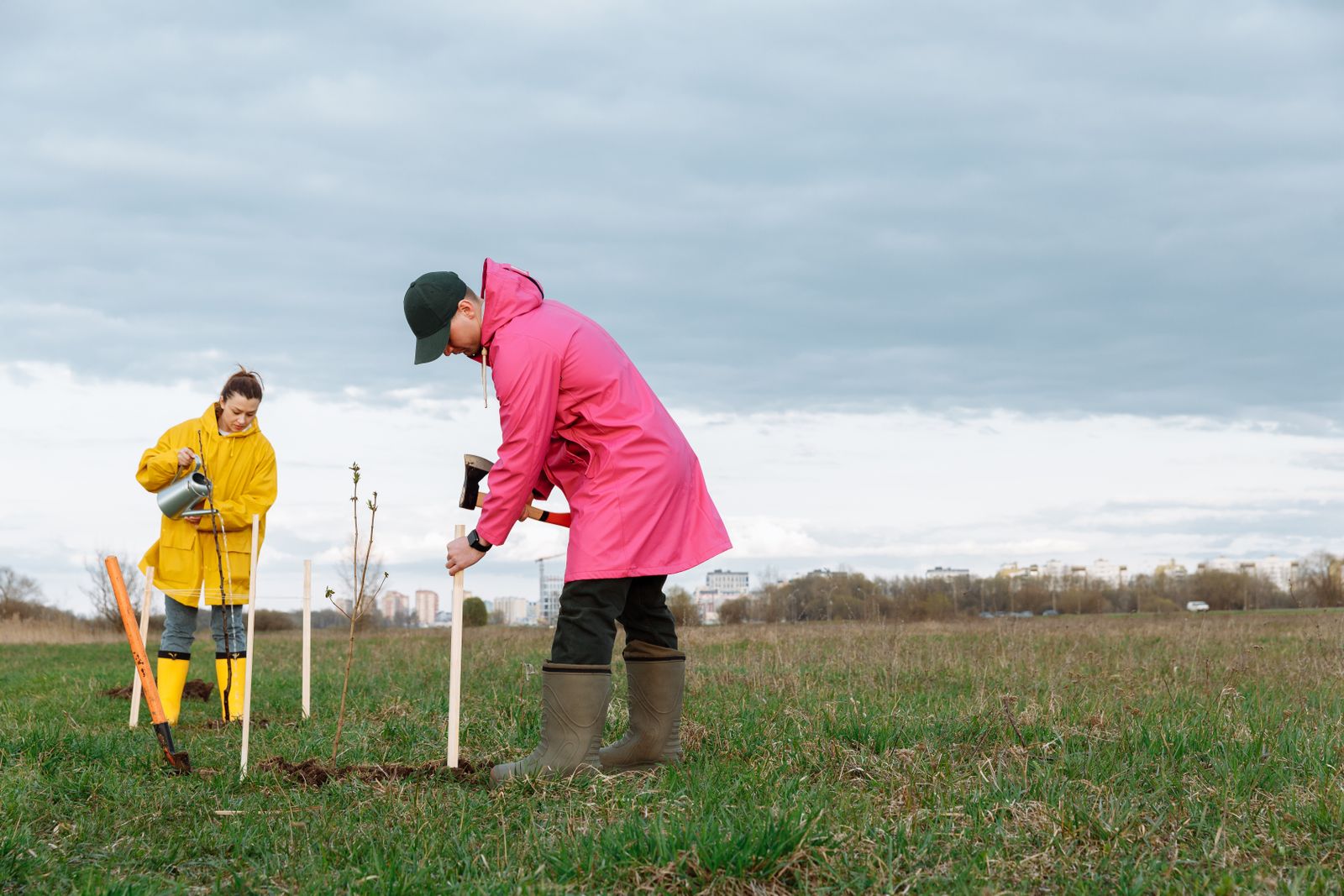
Environmental story format
Pair photographs with evidence.
Location, participant count, activity type, measurable output where relevant and what participants learned.
Visual evidence
More photographs, more context, fewer decorative claims.
Listen
Impact stories begin with the person and the context, not a headline.
Participate
Community and environmental work should show what people actually did together.
Build
Programs become credible when outcomes can be connected to visible work and next steps.
Start here
Have a verified Elite E² story we should document?
Share dates, location, photographs, participant consent and the outcome. We can structure it into a credible case study.